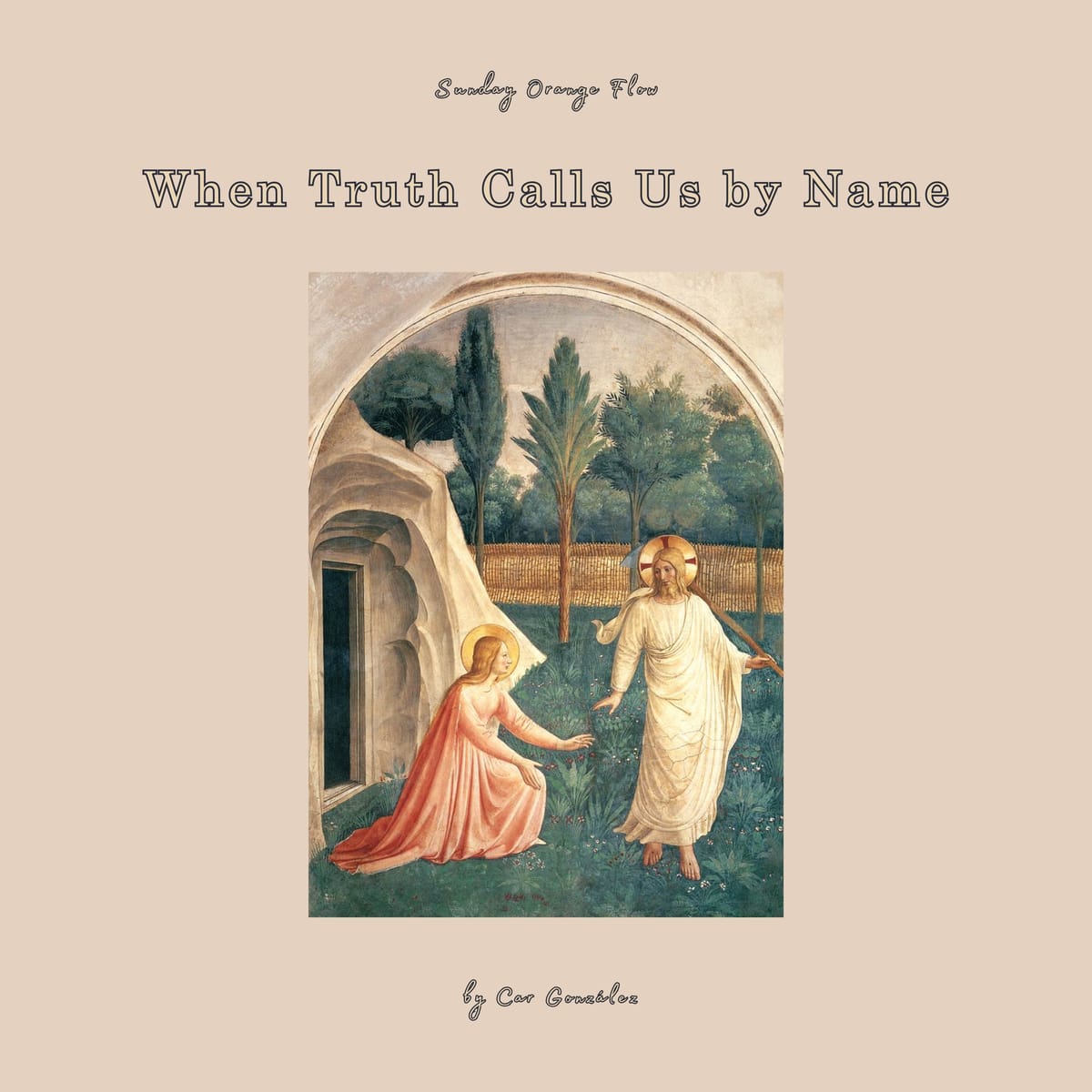

At Easter Vigil last night, I found myself returning to something deeper than inspiration itself, the reality of the Resurrection.
It is not merely a moving symbol or a seasonal reminder of hope. It is the decisive claim that truth is not dead, that love is not defeated, and that God has not abandoned the world to confusion, sin, or despair.
This reminds me that reality is not finally governed by power, image, or the force of whoever speaks the loudest.
It is governed by God, who raises what is fallen, restores what is broken, and brings light where darkness once seemed to have the final word.
A lot of this built up reflection has come from reading the Catechism this year. If you been listening to my Prayers podcast then you know this year has been an incredible spiritual journey for me.
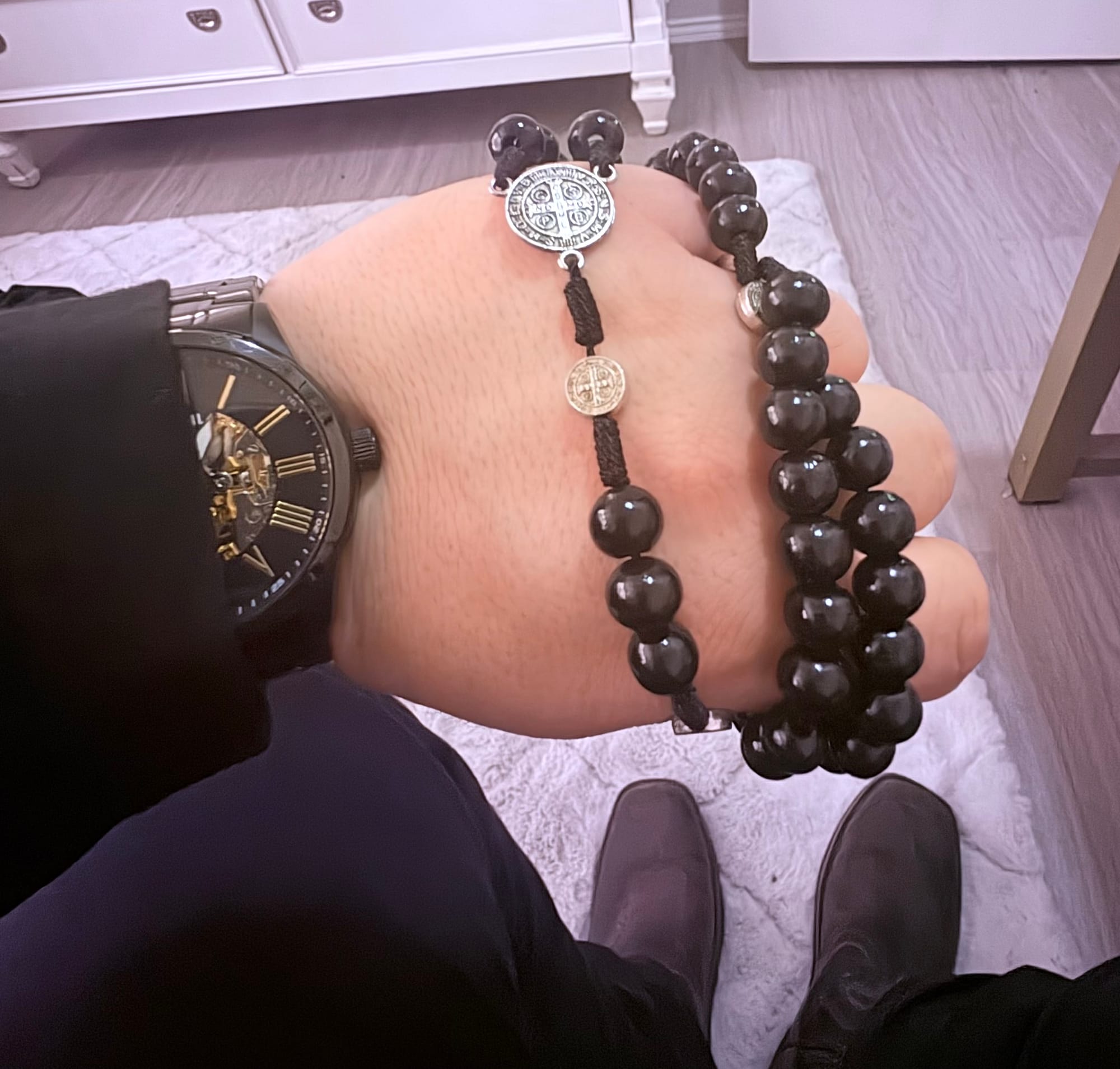
The more I have sat with the Church’s teaching on truth, reason, grace, and the moral life, the more I have felt convinced that truth is not just something to think about. It is something to receive honestly, speak carefully, and live with integrity. Not to say I haven’t been doing this but it was and still is extremely hard for me.
Which gets me to think about a quiet misconception in todays world that strength comes solely from independence.
It’s quite interesting because the Gospel begins elsewhere. Christ calls blessed not the self-sufficient, but the poor in spirit. The Christian life does not start from self-possession, but from receptivity before God, from the humility to know that everything is gift.
There is real value in disciplined action and in the use of reason, because reason is not an enemy of faith. It is one of God’s gifts. Through it, I can genuinely know much about the world, about my interior life, and even in some measure about God himself.
And yet reason is not indestructible. My judgment can be clouded by pride, self-interest, fear, and the desire to control.
That is where grace has begun to mean more to me. Not because grace erases thought, but because it moves and assists the human act of believing, healing what pride distorts and helping both intellect and will attach more fully to what is true and good.
Faith is above reason, but never against it. In that sentence, grace does not cancel thought, it perfects and elevates it.
That feels especially important because of, The Resurrection.
If Christ is risen, then truth is not something I invent for myself. It is something I am called to encounter, receive, and live. The Resurrection does not flatter my autonomy. It confronts it. It tells me that I am not self-made, not self-saving, and not the final measure of reality.
Easter, the Feast of feasts, returns me back to the humility of Christ, but also to the dignity of being called into communion with God.
When you dive further into scripture you find Jesus never taught contempt for reason, nor did he call people into blind irrationality. He taught with clarity. He asked questions. He answered objections. He used parables, drew moral distinctions, and appealed to both the heart and the mind.
Interesting enough he also showed that truth cannot be approached rightly by intelligence alone when the soul is bent inward by pride. He came not only to inform the mind, but to convert the heart as well. He came not only to reveal principles, but to reveal the Father and restore us to right relationship with Him.
It’s obvious for me now to see that at the center of Jesus’ life and teaching is dependence on the Father.
Not dependence as passivity. Not dependence as intellectual surrender.
But dependence as right order. You find that Jesus did not present himself as acting apart from the Father. His life was marked by obedience, love, and communion. That is part of what makes his life so compelling to me. He shows me that real freedom is not self-creation, but a right relationship with God. He does not diminish what is human. He restores it.
While free-soloing a mountain in Nevada, Alex Honnold reminded his partner that the Lord was holding him in the palm of His hand.
That has changed the way I think about truth these days.
My search for truth is real always has been since I was little, always curious to find out what I didn’t know or was interested in, and I like to believe reason did have a genuine role in it.
But these days I have come to believe that reason works best when it is honest, humble, and open to correction. I know I am capable as of letting pride distort my judgment.
Without grace, my mind and heart can become bent toward self-justification instead of reality, because sin resists the truth and weakens the fidelity that truthful speech and action require.
But grace does not replace the work of thought. It perfects it. It steadies the search, purifies what drives it, and helps me love truth not just as an idea, but as something to be lived.
This is why humility matters.
Humility is not indifference to truth, neither is it uncertainty for its own sake. It is the willingness to receive reality rather than manipulate it. It is the discipline of remembering that I do not stand above the truth as its inventor or creator. I stand under it as its servant.
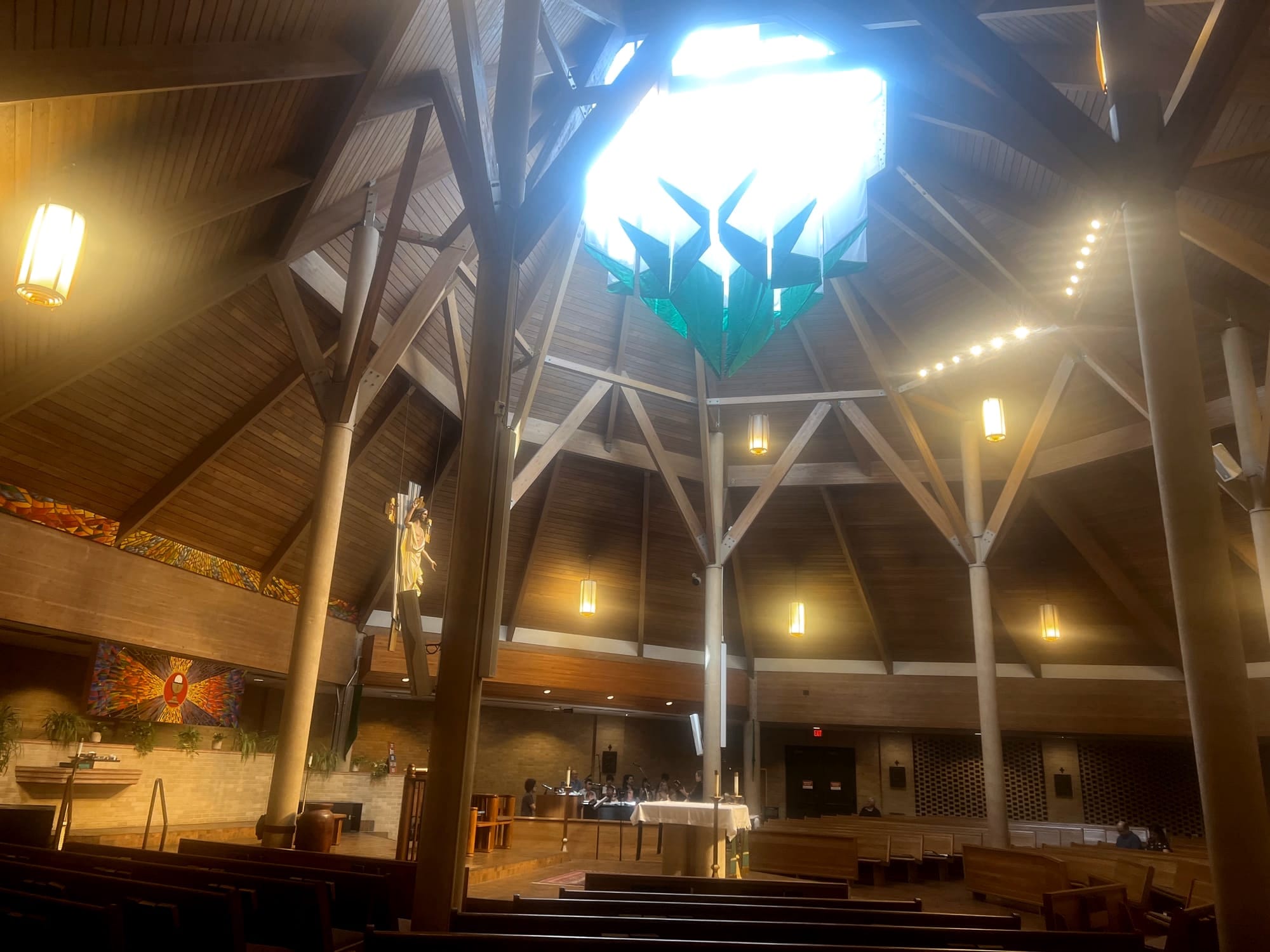
Jesus consistently challenged those whose confidence had hardened into self-satisfaction. He confronted not conviction itself, but the pride that refuses correction, the posture that would rather protect status than be converted. That is what makes humility so necessary. It is not opposed to conviction. It is what makes conviction trustworthy.
I have fallen into the modern temptation of tying identity too closely to argument many times. Once being right becomes a form of self-protection, it becomes harder for me to listen, harder for me to forgive, and harder for me to distinguish loyalty to truth from loyalty to ego. It can be damaging.
But my answer is not to become vague, detached, or unserious about truth. I believe the answer is to become more faithful to it and repent when I cross lines.
In that way Truth is not my private accessory. It is more akin to a moral duty.
I feel bound not only to seek it, but to adhere to it and conform my life to it once it is known. So truth over identity does not mean truth without conviction. It means my convictions must be grounded in reality and ordered by charity, not driven by vanity or a defensiveness.
This is where, for me, the discipline of truth becomes more demanding.
Truth is not only about interior sincerity or intellectual openness. It is also about honesty in words and actions. It requires that I reject dishonesty, dissimulation, and falsehood in my relationships.
What I say and what I do belong together. To love truth is not only to think carefully. It is also to speak honestly, act correctly, and refuse the small corruptions that make the soul double-minded.
That means resisting more than public lies. It means resisting exaggeration that flatters me or flatters someone else. It also means resisting silence when honesty is owed. Same with resisting the temptation to present myself one way while living another. It means refusing to manipulate, posture, or hide behind carefully managed appearances.
Falsehood corrodes communion with God.
Most of my personal relationships cannot stay healthy where words become tools for impression rather than vehicles of truth. Christ gives a much cleaner standard. Let your yes mean yes and your no mean no. In him, truth is not performance. It is fidelity.
This has also begun to change how I understand strength. Strength is not the ability to dominate the conversation. It is not the refusal to ever reconsider. It is not the habit of speaking with maximum certainty at all times. Real strength includes the ability to submit myself to what is true, to correct my course, to confess what is false, and to live without duplicity. It includes intellectual seriousness, moral honesty, and the courage to let grace purify my heart.
It is easy for me to confuse slogans with wisdom and confidence with clarity. But I don't think this ideology can fully contain reality, and no private will can serve as the final measure of truth. Truth and love are not rivals, and neither are reason and faith. They are brought into harmony under God.
This new harmony is more demanding and more liberating. It asks me to seek truth with all the powers of reason available to me, while also acknowledging how badly I need grace to purify desire, correct pride, and keep me faithful in both speech and action.
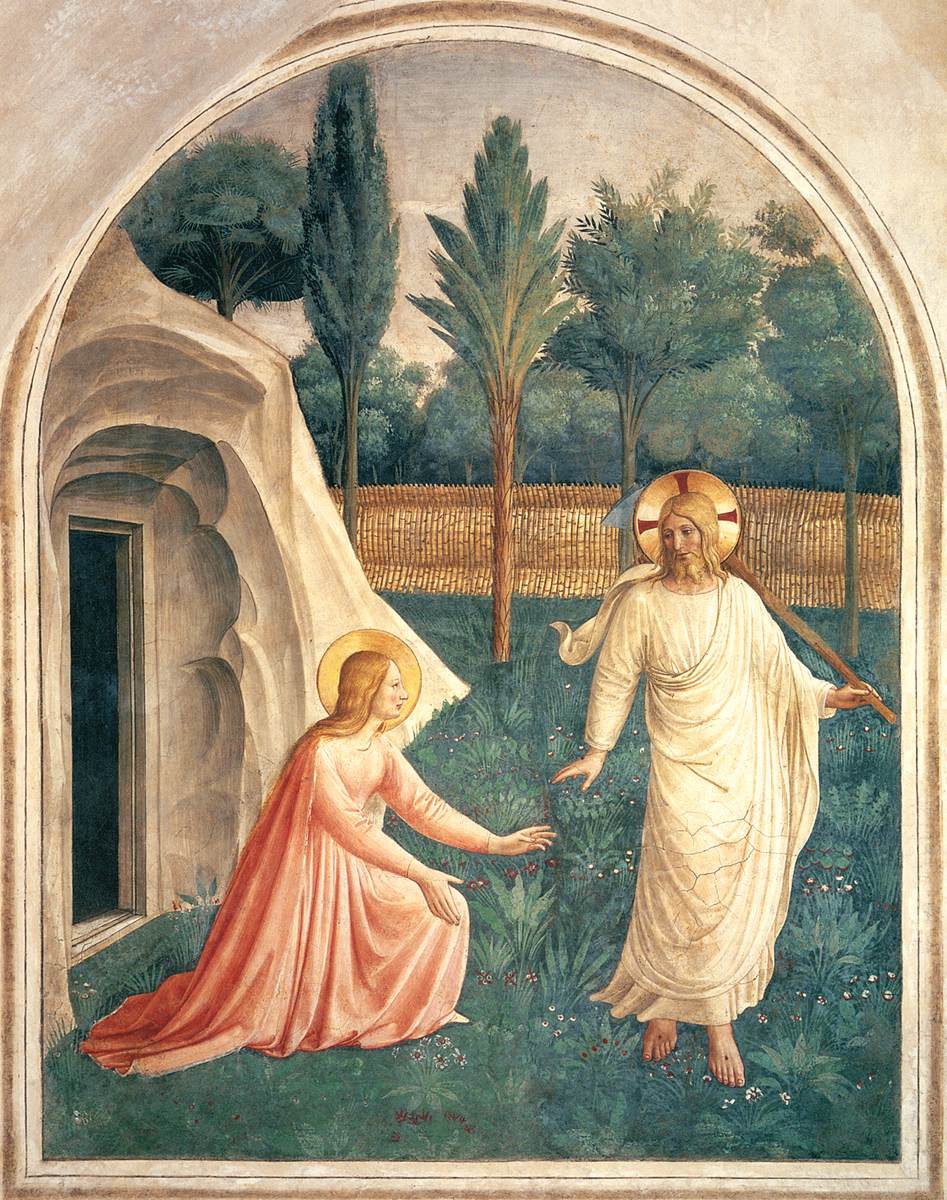
The darkness is expelled when the Light appears, for Christ is ‘the light of the world’ who drives away darkness. He has risen, Christ is King.
The Resurrection is not only a horizon that changes how I see things. It is God’s decisive act in history, attested by the empty tomb and the apostles’ encounters with the risen Christ, the confirmation of Christ’s words and works, and the living infinite source of Christian hope.
The empty tomb is also a sign that falsehood, pride, and sin do not get the last word. Resurrection is God’s declaration that truth endures.
So today, my prayer is this.
Lord Jesus, Risen Truth, I come before You with my whole self.
Make my mind honest, so that I may seek You without self-deception and without refusing the truth I know. Teach me to “live in the truth” in the simplicity of a life conformed to Your example.
Make my heart humble. Give me the grace to receive truth as a gift, not as a trophy for admiration, and to walk in the light of Your presence rather than in self-justification.
Make my words clean. Guard me from duplicity, dissimulation, and hypocrisy; keep me from a double life, so that what I say may be truthful and honorable.
Make my life coherent so that my actions and my speech do not contradict You. Keep me from “walking in darkness” while claiming fellowship with You; let me live what I profess Father.
And purify me so deeply by Your Resurrection that truth will not only be something I admire, but something I truly live with renewed faith and purified freedom. Enlighten my reason and purify my heart; shape me inwardly until I belong wholly to You.
Through You, who are alive and reign forever.
In the name of the Father and of the Son and of the Holy Spirit.
Amen.
There are only two kinds of people in the end: those who say to God, "Thy will be done," and those to whom God says, in the end, "Thy will be done." - C. S. Lewis